
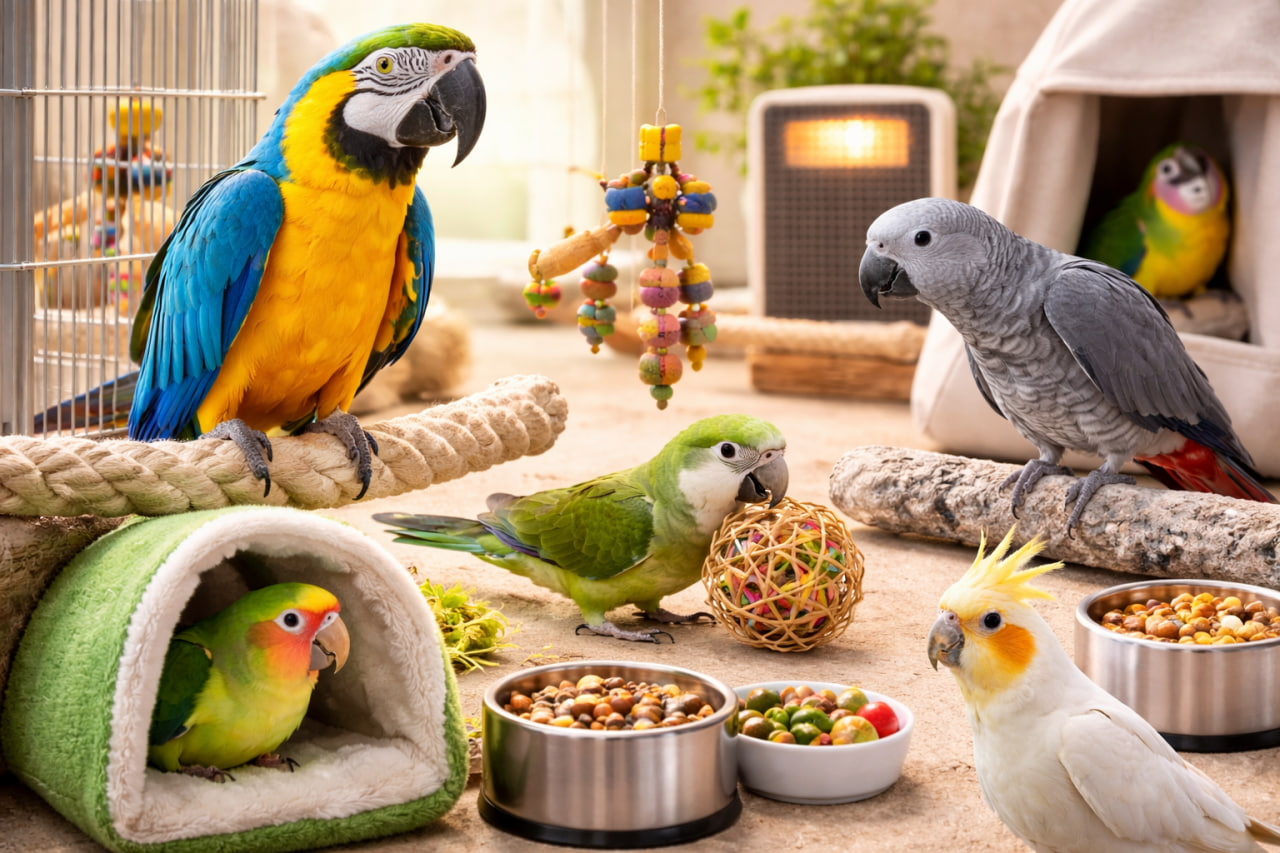
Parrots are not just colorful birds — they are emotionally complex, intelligent companions who form strong bonds with their environment and their caregivers. Their comfort goes far beyond basic food and water. It includes how their feet feel during rest, how safely they sleep at night, how calm they feel when left alone, and how supported their bodies are throughout the day.
What Does Your Parrot Love?
Parrots are deeply emotional and highly perceptive birds. While each parrot has its own unique personality, most share common preferences that help them feel happy, safe, and connected.
First and foremost, parrots love attention and social interaction. They thrive on communication — talking, singing, responding to voices, and simply being included in daily life. Even quiet companionship, such as sitting near their cage while you work or relax, provides comfort and reassurance.
Parrots also love routine and predictability. Consistent feeding times, regular sleep schedules, and familiar surroundings help them feel secure. Sudden changes in environment or daily rhythm can cause stress, so stability plays a key role in their emotional comfort.
Another essential joy for parrots is mental stimulation. They love exploring, solving simple problems, shredding safe materials, and interacting with toys that challenge their intelligence. Enrichment prevents boredom and supports emotional balance.
Finally, parrots deeply appreciate comfort and safety. Soft perches, quiet resting areas, gentle sounds, and warm, draft-free spaces allow them to relax fully. When a parrot feels physically comfortable, it becomes more trusting, affectionate, and confident.
Understanding what your parrot loves helps you build a relationship based on trust, respect, and emotional connection.
When a parrot feels physically comfortable and emotionally secure, it becomes more relaxed, trusting, vocal, and playful. Thoughtfully chosen comfort products help reduce stress, prevent health issues, and create a stable daily routine that parrots deeply rely on.
Eight essential comfort-focused products that every parrot-friendly home should consider.
1. Soft Rope or Natural Wood Perches
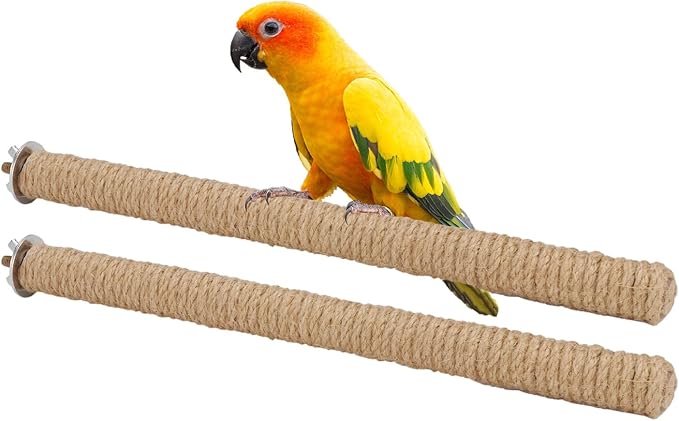
Perches are where parrots spend most of their time — resting, sleeping, observing, and balancing. Using only smooth, uniform perches can lead to foot fatigue, pressure sores, and joint discomfort.
Why it’s useful:
Soft rope perches and natural wood perches provide uneven, flexible surfaces that allow a parrot’s feet to grip naturally. This variation improves circulation, reduces pressure points, and helps prevent common foot conditions such as bumblefoot.
Benefits:
These perches adapt to the bird’s posture rather than forcing the feet into one position. Rope perches feel gentle and forgiving, while natural wood mimics branches found in nature. Together, they create a more ergonomic and comfortable resting experience, especially for parrots that spend long hours in their cage.
To buy this product, click here.
2. Cozy Bird Tent or Sleeping Hut
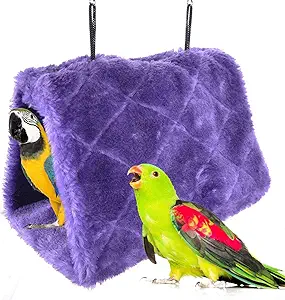
Image suggestion: Parrot relaxing inside a hanging fabric hut
In the wild, parrots seek sheltered, enclosed spaces to rest and sleep. An open cage offers little sense of privacy, which can increase anxiety.
Why it’s useful:
A bird tent or sleeping hut provides an enclosed, softly padded area where parrots can retreat from noise, light, and movement. It creates a sense of safety and ownership over their space.
Benefits:
Having a dedicated sleeping area helps parrots relax faster and sleep more deeply. It reduces night frights, supports emotional stability, and gives shy or sensitive birds a comforting place to decompress during the day.
To buy this product, click here.
3. Breathable Cage Cover for Restful Sleep
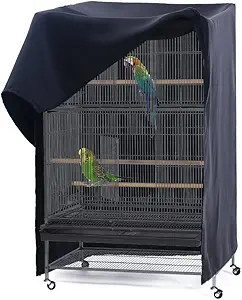
Sleep quality is directly linked to a parrot’s behavior, immune health, and emotional balance. Irregular light and household activity can severely disrupt rest.
Why it’s useful:
A breathable cage cover blocks excess light and visual stimulation while still allowing airflow. It helps establish a consistent sleep schedule, which parrots depend on for hormonal and behavioral stability.
Benefits:
With proper sleep, parrots are calmer, less aggressive, and less prone to screaming or feather-damaging behaviors. A cage cover transforms nighttime into a predictable, peaceful routine that supports overall well-being.
To buy this product, click here.
4. Ergonomic Stainless Steel or Ceramic Food & Water Bowls
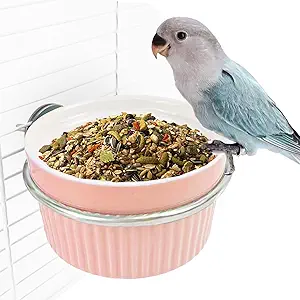
Comfort during feeding is often overlooked, yet it plays a major role in daily stress levels.
Why it’s useful:
High-quality bowls have smooth edges, stable mounting, and non-porous surfaces that resist bacteria and odors. They are easy to clean and safe from chewing damage.
Benefits:
A well-designed bowl allows parrots to eat and drink without awkward posture or discomfort. Clean, odor-free materials improve hygiene and make feeding time a calm, enjoyable routine rather than a source of irritation.
To buy this product, click here.
5. Comfort Toys

Preening is both a physical and emotional behavior. Parrots use it to relax, self-soothe, and maintain feather health.
Why it’s useful:
Preening toys made from soft fibers, cotton rope, or leather strips mimic the feeling of social grooming. They provide tactile comfort without overstimulation.
Benefits:
These toys help reduce anxiety, loneliness, and boredom, especially for parrots that spend time alone. They encourage calm interaction rather than frantic chewing, supporting emotional balance and mental comfort.
To buy this product, click here.
6. Mineral or Calcium Comfort Perch
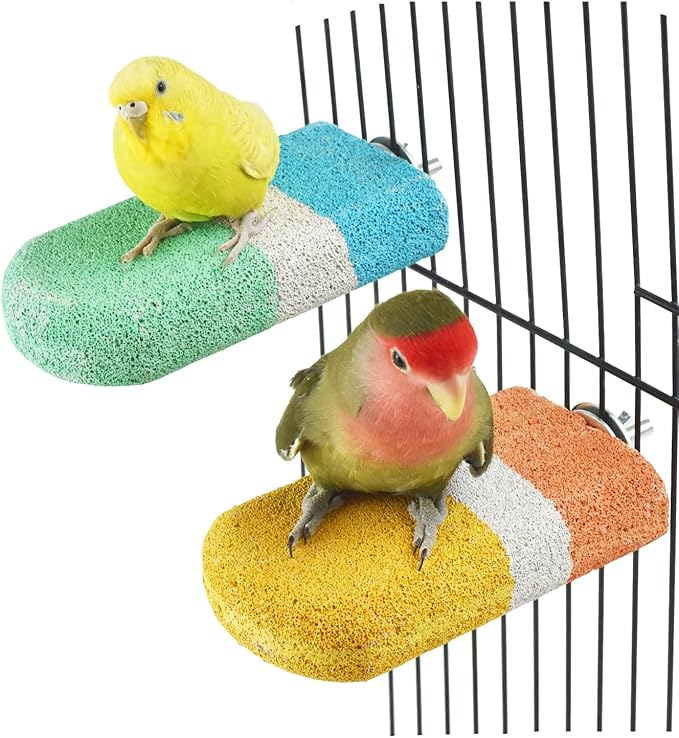
True comfort includes internal support — bones, beak, and claws all need gentle maintenance.
Why it’s useful:
Mineral perches provide a lightly textured surface that helps naturally wear down beaks and nails while delivering essential minerals.
Benefits:
Unlike harsh abrasive perches, well-designed mineral perches support posture without discomfort. They contribute to skeletal health and prevent overgrowth issues, reducing the need for stressful trimming procedures.
To buy this product, click here.
7. Bird-Safe Heating Perch or Thermal Panel
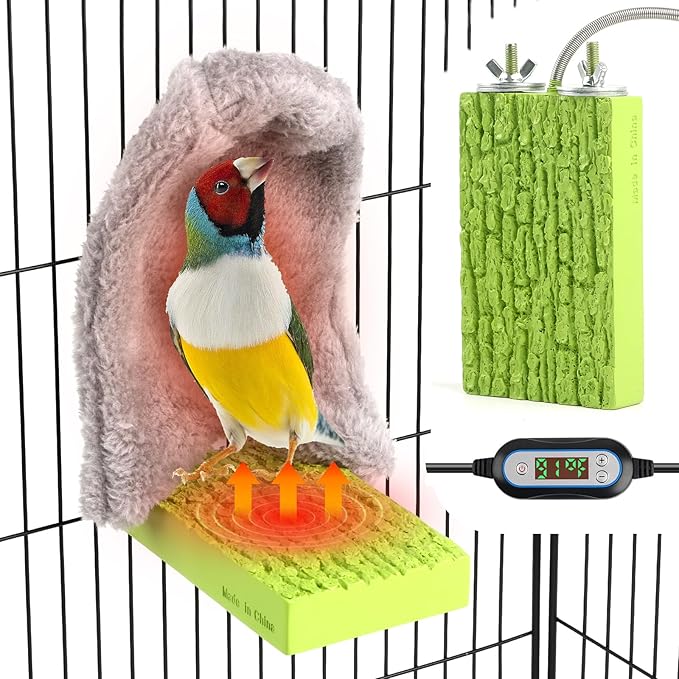
Parrots are sensitive to temperature changes, drafts, and cold environments.
Why it’s useful:
Low-wattage heating perches or panels provide gentle, consistent warmth without overheating the cage. They are especially beneficial for older birds, sick parrots, or homes with cool climates.
Benefits:
Warmth helps relax muscles, improves circulation, and promotes restful sleep. A heated comfort zone allows parrots to regulate their body temperature naturally, increasing overall comfort and security.
To buy this product, click here.
8. Calming Background Sounds or Soft Bird Music
Image suggestion: Calm parrot environment with soft ambient sound
Emotional comfort is just as important as physical comfort.
Why it’s useful:
Soft background sounds mask sudden noises like traffic or household activity. Gentle music or nature sounds help parrots feel less isolated when alone.
Benefits:
A calm auditory environment reduces stress, prevents panic responses, and supports emotional stability. Many parrots become more relaxed, vocal, and content when soothing sounds are part of their daily routine.
To buy this product, click here.
What Should You Know Before Getting a Parrot?
Bringing a parrot into your life is a long-term commitment that requires thoughtful preparation. Parrots are not decorative pets — they are intelligent companions with complex emotional and physical needs.
One of the most important things to understand is lifespan. Many parrot species live for decades, which means you are committing to years — sometimes a lifetime — of care, attention, and responsibility.
Parrots also require daily interaction and mental engagement. Without sufficient attention, they can develop stress-related behaviors such as excessive screaming, feather plucking, or aggression. They need time outside the cage, social contact, and enrichment every single day.
Another key factor is noise level. Parrots communicate through vocalization, and even smaller species can be loud. Understanding and accepting this is crucial before welcoming a parrot into your home.
You should also be prepared to provide proper housing, nutrition, and veterinary care. A spacious cage, varied diet, regular cleaning, and access to an avian veterinarian are essential for a healthy, comfortable life.
Finally, parrots are highly sensitive to their environment. They respond to emotions, tone of voice, and energy around them. Patience, calmness, and consistency are necessary to build trust and a strong bond.
Choosing to adopt a parrot means choosing a relationship — one built on care, understanding, and mutual respect. When approached responsibly, life with a parrot becomes an incredibly rewarding and meaningful experience.
Frequently Asked Questions About Parrots
Parrots often raise many questions, especially for new owners or those considering bringing one into their home. Below are answers to some of the most common questions that help better understand these intelligent and sensitive birds.
Do parrots need daily attention?
Yes, parrots need daily social interaction. They are highly social animals that form strong emotional bonds. Regular communication, time outside the cage, and simple presence nearby help prevent loneliness, stress, and behavioral issues. Even calm, quiet interaction is valuable for a parrot’s emotional well-being.
Can a parrot live alone without another bird?
Many parrots can live alone if they receive enough attention and mental stimulation from their human caregivers. However, lack of interaction can lead to boredom and stress. Owners should be prepared to spend time engaging with their parrot every day through conversation, play, and enrichment.
How much sleep does a parrot need?
Most parrots require around 10–12 hours of uninterrupted sleep each night. A consistent sleep schedule, reduced noise, and limited light exposure are essential. Poor sleep can lead to irritability, hormonal imbalance, and behavioral problems.
Are parrots noisy by nature?
Yes, vocalization is a natural form of communication for parrots. Some species are louder than others, but all parrots use sounds to express emotions, seek attention, or react to their environment. Understanding and accepting this is important before choosing a parrot as a pet.
What should a parrot’s diet include?
A healthy parrot diet typically includes high-quality pellets, fresh vegetables, leafy greens, fruits in moderation, and occasional seeds or nuts depending on the species. Clean water should always be available. A varied diet supports both physical health and emotional comfort.
Do parrots need toys and enrichment?
Absolutely. Parrots are highly intelligent and require mental stimulation. Toys, foraging activities, and problem-solving opportunities prevent boredom and reduce stress-related behaviors such as feather plucking or excessive screaming.
How long do parrots live?
Lifespan varies by species. Smaller parrots may live 10–20 years, while medium and large parrots can live several decades. Owning a parrot is a long-term commitment that should be carefully considered.
Are parrots sensitive to their environment?
Very much so. Parrots react strongly to changes in routine, tone of voice, household energy, and surroundings. Calm handling, consistency, and a stable environment help parrots feel secure and build trust.
Conclusion
Comfort for parrots is not a luxury — it is a foundation for trust, health, and happiness. Every perch, sound, and sleeping space shapes how secure a parrot feels in its world.
By choosing comfort-focused products, you create an environment where your parrot can truly relax, express its personality, and thrive emotionally and physically.
A comfortable parrot is a confident parrot — and a joyful companion for years to come.
