
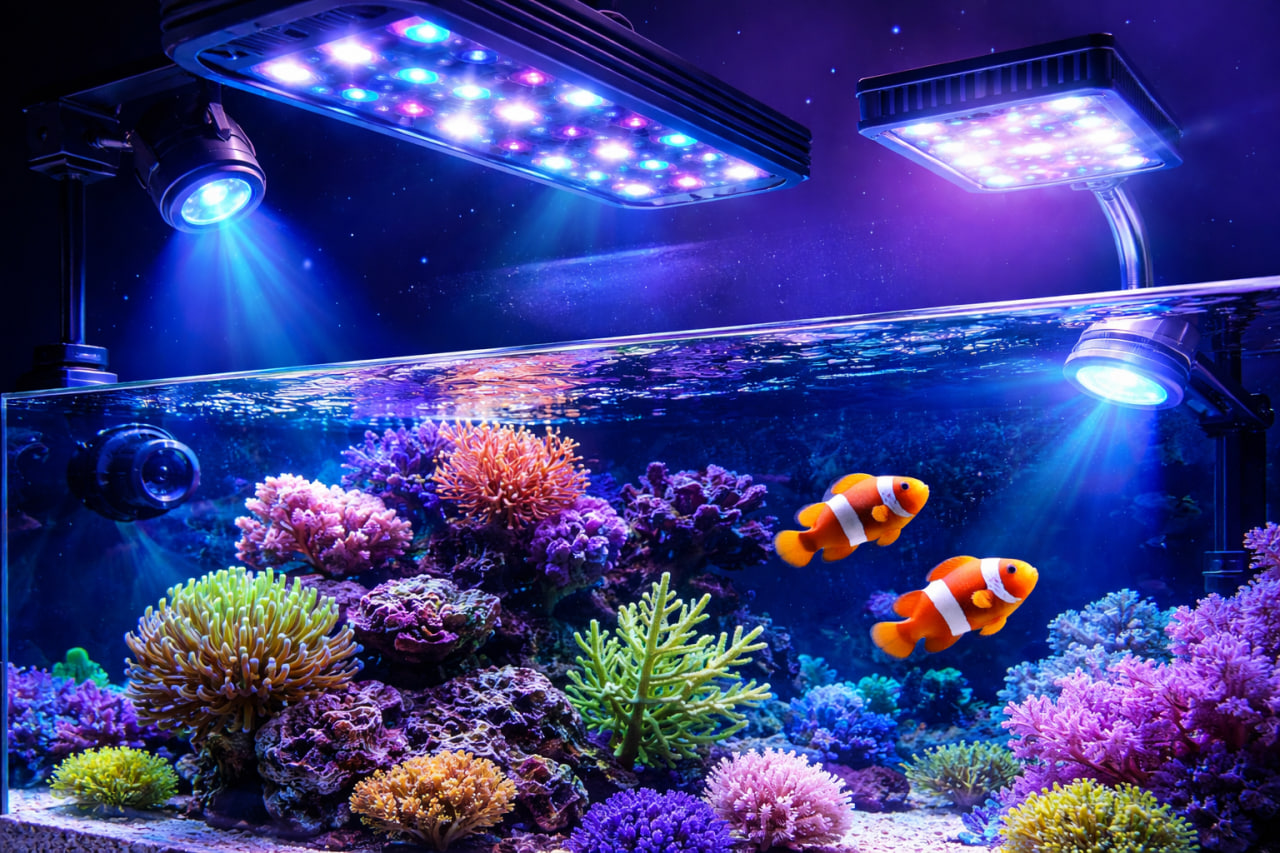
Aquarium lighting is not decorative overhead brightness. It is a biological tool.
In aquatic systems — especially reef aquariums — light directly influences photosynthesis, circadian rhythm, feeding behavior, and long-term ecosystem stability. Poor lighting leads to algae imbalance, coral bleaching, stressed fish, and muted colors. Proper lighting supports life.
The best aquarium lights in 2026 are not simply “bright.” They are spectrum-controlled, programmable, energy-efficient systems designed to replicate natural daylight cycles while maintaining stability inside a closed environment.
Below are the top 8 lighting product categories that combine biological relevance, modern design, and functional control — helping aquariums become thriving ecosystems rather than illuminated glass boxes.
Understanding Comfortable, Functional Aquarium Lighting
Comfort in an aquarium is not measured in lumens alone.
Fish and corals evolved under dynamic lighting conditions: gradual sunrise, peak daylight, shifting angles, and dim sunset transitions. Sudden on/off lighting creates stress responses. Excessive intensity causes bleaching. Insufficient spectrum limits growth.
A well-designed lighting setup provides:
• Proper PAR levels (Photosynthetically Active Radiation) for plants and corals
• Balanced blue and white spectrum to support both aesthetics and biology
• Gradual ramping cycles to mimic nature
• Even spread to eliminate hotspots and shadow zones
• Minimal heat transfer into water to preserve chemistry and oxygen
Lighting should enhance biology, not overpower it.
Intentional design — not brightness — creates stability.
1. Full-Spectrum LED Reef Lights
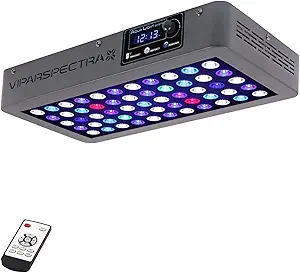
Full-spectrum LEDs are the foundation of modern reef systems.
Why this product is essential
Corals rely on symbiotic algae (zooxanthellae) for energy, which require specific blue and violet wavelengths for photosynthesis.
Biological benefits
High-quality LED reef lights deliver customizable spectrum blending — including royal blue, UV, cool white, and red channels — supporting coral growth, coloration, and polyp extension.
Programmable ramping reduces stress and simulates natural sunrise and sunset cycles.
What to look for
- Spectrum tuning per channel (not just one knob for intensity)
- High PAR output without overheating
- Uniform coverage for shallow and deep tanks
- App or controller support for custom schedules
- Low-profile design that fits modern aquariums
How it works
These fixtures include arrays of individually controllable LEDs. Blues and violets energize chlorophyll and zooxanthellae more efficiently than plain white light, and adjustable intensities prevent overstimulation.
Precision matters more than raw brightness.
To buy this product, click here.
2. Planted Aquarium LED Grow Lights
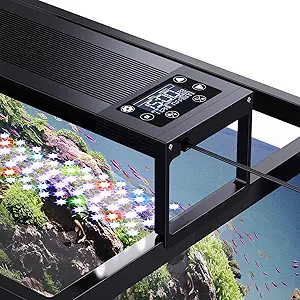
Aquatic plants are living filtration systems — and they require balanced light to thrive.
Why this product is essential
Without proper spectrum and intensity, plants become leggy, algae dominate, and nutrient cycles destabilize.
Ecosystem benefits
Planted tank LEDs provide strong red and blue wavelengths to fuel photosynthesis while maintaining aesthetic clarity.
Good plant lighting supports:
- Dense growth
- Vibrant coloration
- Oxygen production
- Reduced algae competition
Extended details
Effective plant lights deliver:
- PAR values matched to plant density
- Tailored spectrums (red + blue plus a bit of green)
- Flexible mounting angles so shaded areas still get light
- Compatibility with CO₂ systems for highly demanding aquascapes
Red wavelengths encourage leaf development and root growth, while blues support compact structure and intense color.
Consistent photoperiod control is key to maintaining stability.
To buy this product, click here.
3. Programmable Smart Lighting Systems

Automation reduces stress — for both fish and owners.
Why this product is essential
Sudden lighting shifts trigger stress responses in fish, especially sensitive species like the Clownfish and Discus.
Behavioral benefits
Smart systems allow gradual ramp-up and ramp-down cycles, weather simulations, and lunar phases.
In-depth features
Top smart lighting systems offer:
- Custom sunrise/sunset ramping profiles
- Cloud sync and remote control
- Lunar and storm simulations
- Multi-zone control per tank
- Integration with other aquarium systems
Consistent light transitions reduce cortisol spikes in fish and keep corals better synchronized with feeding windows.
Predictable lighting equals predictable behavior.
To buy this product, click here.
4. High PAR Spotlight Modules
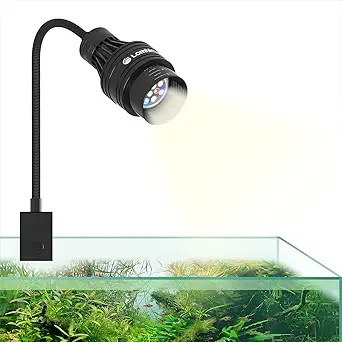
Not all corals have the same light needs.
Why this product is essential
SPS corals (Small Polyp Stony) demand higher PAR levels than soft corals or LPS species.
Growth benefits
Targeted spotlight modules provide concentrated intensity for demanding species without oversaturating the entire tank.
What makes them special
- Optics designed for tight beam angles
- Independent control for each module
- Modular positioning for custom reef layouts
- Minimal heat transfer into water
Place these modules over high-demand coral zones and blend them with broader spectrum lighting to avoid shadowing and uneven growth.
Light should be zoned, not uniform.
To buy this product, click here.
5. Clip-On LED Lights for Nano Tanks
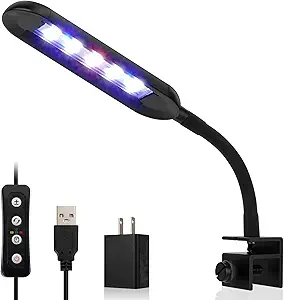
Small aquariums require proportionate solutions.
Why this product is essential
Oversized lighting overwhelms nano systems, causing algae blooms and overheating.
Stability benefits
Clip-on LEDs designed for nano tanks deliver appropriate intensity without excessive heat transfer.
Ideal for:
- Desktop aquariums
- Betta habitats
- Small planted scapes
Extended details
Good nano lights offer:
- Adjustable height and angle
- Multiple spectrum modes (day, plant, moonlight)
- Low power draw
- Minimal footprint
Nano systems have small water volume and limited circulation — proper intensity prevents spikes in algae growth and thermal distortion.
Balanced scale prevents biological imbalance.
To buy this product, click here.
6. Spectral Enhancement & Accent Lighting
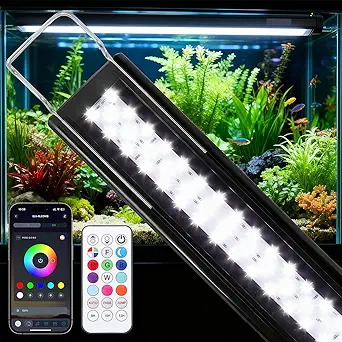
Accent lighting goes beyond biology — it enhances visual appeal while still serving a purpose in wavelength balancing.
Why this product is essential
Basic daylight LEDs handle photosynthesis and growth, but accent lighting fills spectrum gaps that improve coloration and contrast for both corals and fish.
Visual and biological benefits
Spectral enhancement lights use targeted wavelengths — such as actinic blue, deep violet, or UV-adjacent bands — to:
- Intensify coral fluorescence
- Highlight fish pigmentation
- Drive secondary photosynthetic responses
- Improve depth perception within the tank
These lights don’t replace primary fixtures — they complement them.
What to look for
- Precise wavelength peaks (e.g., 420–460 nm for actinic emphasis)
- Low heat output
- Easy integration with existing systems
- Remote control for color balancing
How this helps your aquarium
While full-spectrum LEDs provide biologically necessary light, accent lights refine the visual experience and help corals express natural fluorescence without adding undue PAR load.
Subtlety distinguishes accent lighting from main lighting.
To buy this product, click here.
7. Moonlight & Night Viewing Lights
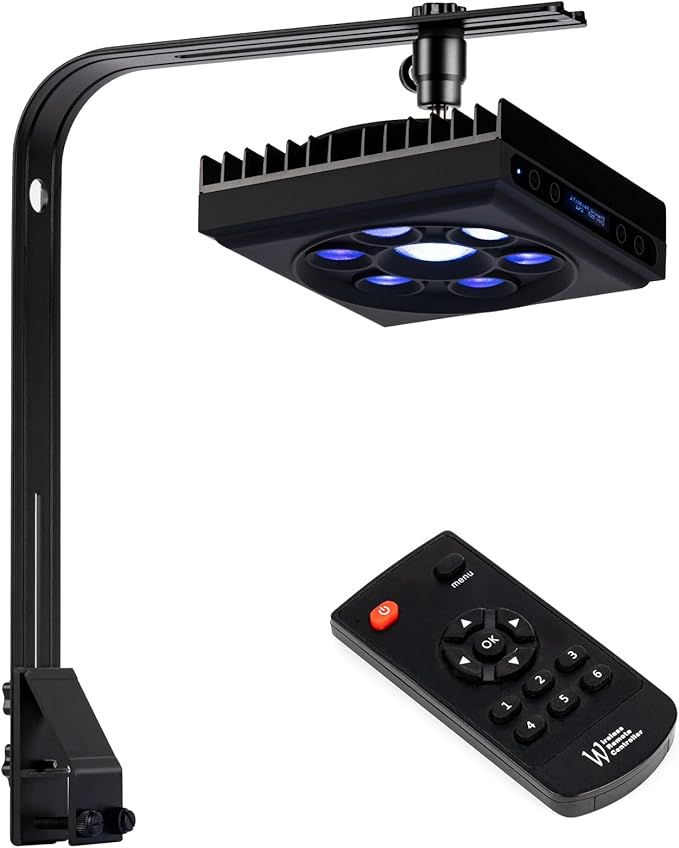
Darkness is part of natural rhythm.
Why this product is essential
Completely eliminating nighttime observation can make it difficult to monitor nocturnal activity.
Behavioral benefits
Low-intensity blue moonlights allow viewing without disrupting circadian cycles.
Expanded insight
- Dim blue tones mimic lunar light
- Supports natural nocturnal feeding
- Minimal impact on coral photosynthesis downtime
- Useful for late-night observation without waking fish
Assign a separate schedule for moonlight that never exceeds a fraction of daytime PAR levels — this maintains rest cycles while permitting quiet viewing.
Subtlety is essential. Bright night lighting defeats the purpose.
To buy this product, click here.
8. Adjustable Mounting & Suspension Systems
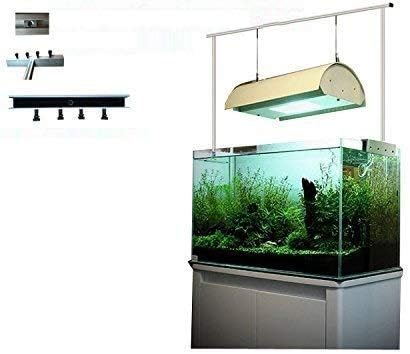
Lighting performance depends on positioning.
Why this product is essential
Incorrect mounting height creates hotspots, glare, or uneven spread.
Functional benefits
Adjustable mounting systems allow fine-tuning of height and angle, optimizing PAR distribution and minimizing shadowing.
Features to prioritize
- Telescoping rods or tracks
- Easy leveling tools
- Cable management built in
- Stable anchors that don’t shift over time
Raise or lower fixtures based on tank depth, coral species, or plant mass — lighting needs change as the system matures.
Positioning is part of the lighting system — not an afterthought.
To buy this product, click here.
Must-Have Lighting Priorities for Aquariums
Lighting decisions should follow biological hierarchy, not trends.
First priority: Spectrum relevance.
Blue-heavy spectrum for reefs. Balanced red/blue for planted tanks.
Second priority: Stability.
Gradual ramping and consistent photoperiod.
Third priority: Even coverage.
Avoid harsh hotspots and deep shadow zones.
Fourth priority: Heat management.
Excess heat alters water chemistry and oxygen levels.
Fifth priority: Adjustability.
As corals grow or plant mass increases, lighting needs evolve.
Lighting must adapt with the ecosystem.
Conclusion
Aquarium lighting is not about brightness — it is about biological support.
A well-designed lighting system encourages coral growth, plant vitality, natural fish behavior, and ecosystem balance. It reduces stress, stabilizes daily rhythms, and enhances both health and aesthetics.
The most effective lighting products in 2026 are programmable, spectrum-aware, energy-efficient, and intentionally mounted. They replicate nature’s rhythm while respecting the limitations of a closed aquatic environment.
When lighting supports biology rather than overpowering it, aquariums become living systems — not illuminated displays.
Intentional light creates sustainable life.
