
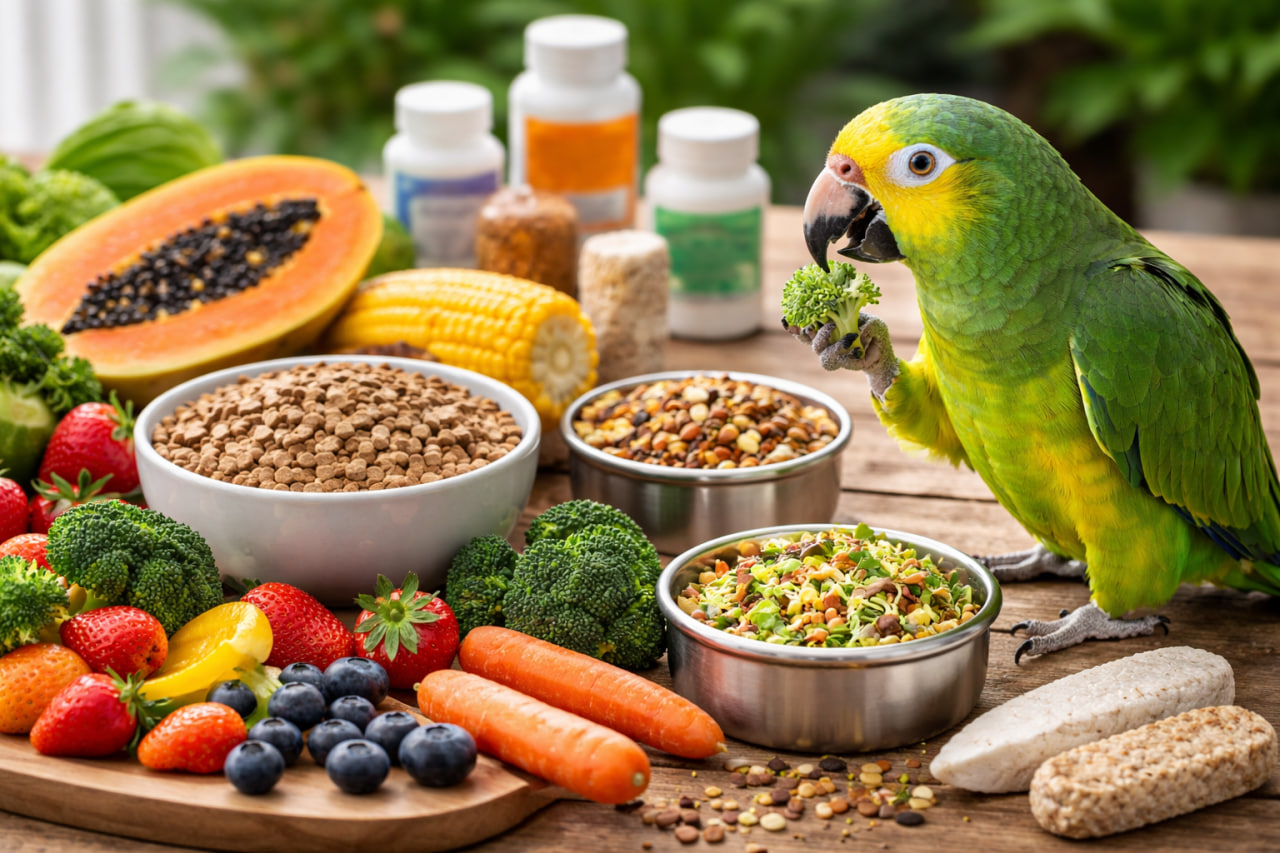
Nutrition is the cornerstone of a parrot’s physical health, mental clarity, and longevity. While parrots are often admired for their intelligence, color, and social nature, their dietary needs are complex and highly specific. An imbalanced or monotonous diet can quietly lead to nutritional deficiencies, weakened immunity, behavioral issues, and reduced lifespan.
Parrots are not seed-eating machines. In the wild, they consume a diverse range of foods — fruits, vegetables, seeds, nuts, blossoms, and minerals — constantly foraging and adapting to seasonal availability. In captivity, their well-being depends almost entirely on the quality and variety of the food we provide.
Proper nutrition is not about excess or luxury. It is about meeting biological needs, supporting natural behaviors, and preventing long-term health problems. The right combination of food and supplements helps parrots maintain strong feathers, healthy digestion, balanced energy levels, and emotional stability.
Below are the top 8 essential food and supplement products that form the foundation of a healthy, supportive diet for parrots.
Nutrition and Comfort for Parrots
Nutrition plays a central role not only in a parrot’s physical health, but also in its emotional stability, behavior, and ability to cope with daily stress. Parrots are highly intelligent, sensitive birds whose bodies and nervous systems respond quickly to dietary imbalances. When nutritional needs are met correctly, parrots are calmer, more curious, more socially engaged, and better equipped to adapt to their environment.
Unlike many other pets, parrots eat multiple times throughout the day and spend a significant portion of their waking hours thinking about food. In the wild, this constant foraging keeps both their bodies and minds active. In captivity, nutrition must replicate not only the nutrient profile of a natural diet, but also its variety, texture, and mental stimulation.
Poor nutrition rarely causes immediate, obvious illness. Instead, its effects accumulate slowly and often appear as “behavioral problems” rather than medical ones. Feather plucking, chronic screaming, lethargy, aggression, poor feather quality, and weakened immunity are frequently linked to dietary deficiencies, excess fats, or lack of variety. Comfort, therefore, begins at the food bowl.
A nutritionally comfortable parrot diet is built on several interconnected principles.
Balance and completeness are essential. Parrots require precise ratios of proteins, fats, carbohydrates, vitamins, and minerals to support organ function, hormone regulation, feather growth, and bone strength. Over-reliance on any single food source — especially seeds — can disrupt this balance and place long-term strain on the liver, kidneys, and skeletal system.
Variety supports both health and emotional well-being. Offering different food types, colors, textures, and flavors prevents nutrient gaps and reduces boredom. A varied diet encourages curiosity and engagement, which are critical for mental comfort in such intelligent animals.
Texture and food form matter. Different beak sizes and species-specific feeding behaviors require appropriately sized and textured foods. Foods that are too hard, too soft, or monotonous can reduce eating pleasure and lead to frustration or selective feeding.
Foraging opportunities are a comfort requirement, not a luxury. Parrots are biologically wired to work for their food. When meals are always provided in an open bowl, mental stimulation is lost. Incorporating foraging elements slows eating, reduces anxiety, and gives parrots a sense of purpose and control over their environment.
Consistency and routine create emotional security. Feeding at regular times with familiar foods helps parrots feel safe and reduces stress. Sudden dietary changes or irregular feeding schedules can trigger anxiety and distrust.
Cleanliness and freshness directly affect comfort. Spoiled food, dirty bowls, or stale ingredients can cause digestive upset and aversion to eating. Fresh, well-presented food supports healthy digestion and reinforces positive feeding behaviors.
When nutrition supports both the body and the mind, parrots experience true comfort. They rest more easily, interact more positively with their caregivers, and show greater resilience to environmental changes. A thoughtfully designed diet is not simply a health measure — it is one of the most powerful tools for creating a calm, confident, and emotionally balanced parrot.
Key principles of a comfortable and healthy parrot diet include:
- Nutritional balance (proteins, fats, carbohydrates, vitamins, minerals)
- Variety to prevent boredom and deficiencies
- Appropriate texture and size for the species
- Opportunities for natural foraging behavior
- Clean, fresh food presented consistently
Food is not only fuel — it is enrichment. Eating should engage the mind as well as nourish the body.
1. High-Quality Pellet Food
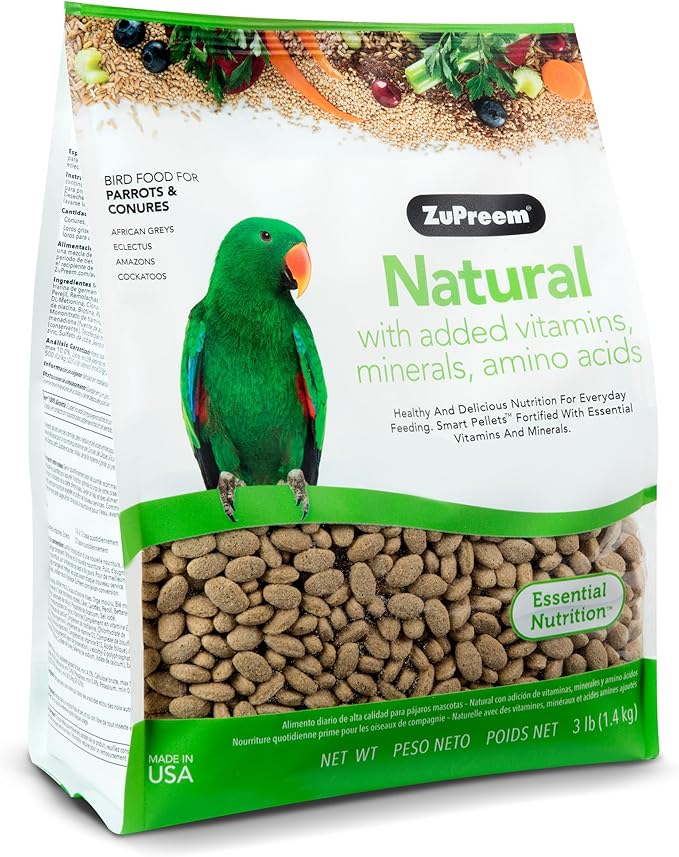
Pellets are the foundation of a balanced parrot diet.
Why this product is essential:
Seed-only diets are often high in fat and low in essential vitamins and minerals. Pellets are formulated to provide complete and consistent nutrition in every bite.
Health and nutritional benefits:
Quality pellets support immune function, bone strength, feather quality, and organ health. They reduce the risk of selective eating and nutritional gaps, especially in long-lived parrot species.
High-quality pellets are designed with species-specific nutritional profiles, ensuring proper ratios of calcium, phosphorus, amino acids, and vitamins. Unlike mixed diets, pellets prevent parrots from picking only their favorite (often least nutritious) items. Transitioning to pellets should be gradual to avoid stress and ensure acceptance.
Pellets should make up a significant portion of a parrot’s daily intake, adjusted for species and size.
To buy this product, click here.
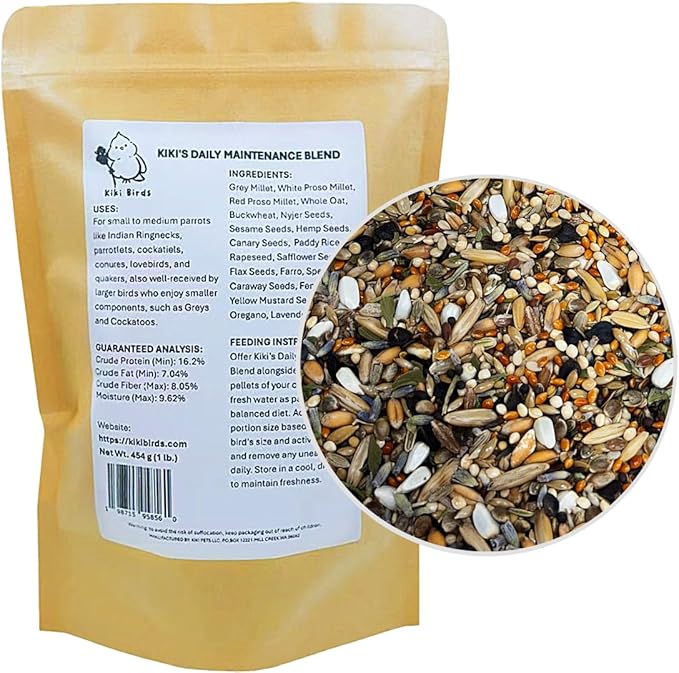
2. Natural Seed Mix (As a Supplement, Not a Base)
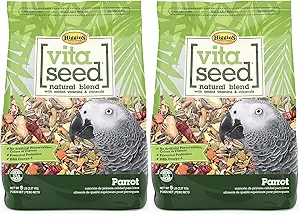
Seeds still play a role — when used correctly.
Why this product is essential:
Seeds are calorie-dense and highly palatable, making them useful as training rewards or dietary enrichment.
Health and behavioral benefits:
A controlled seed mix provides healthy fats, supports energy needs, and encourages natural feeding behaviors. When offered in moderation, seeds enhance dietary variety without compromising health.
Natural seed mixes should be free from artificial coloring, excessive sunflower seeds, and added sugars. Offering seeds through foraging toys rather than open bowls helps regulate intake and stimulates mental activity. Seeds are best used strategically — during training, bonding, or enrichment sessions.
The key is balance, not elimination.
To buy this product, click here.
3. Vitamin and Mineral Supplements
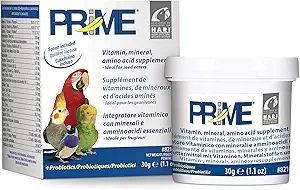
Not all nutrients come from food alone.
Why this product is essential:
Captive parrots may lack exposure to sunlight, soil minerals, or seasonal food diversity, leading to deficiencies.
Health benefits:
Vitamin and mineral supplements support calcium absorption, nervous system function, metabolism, and feather growth. They are particularly important during molting, breeding periods, or recovery from illness.
Supplements may come in powdered, liquid, or block form. They should be carefully dosed to avoid over-supplementation, which can be as harmful as deficiencies. Many supplements are designed to be added to food or drinking water for easy administration.
Supplements should always be species-appropriate and used as directed.
To buy this product, click here.
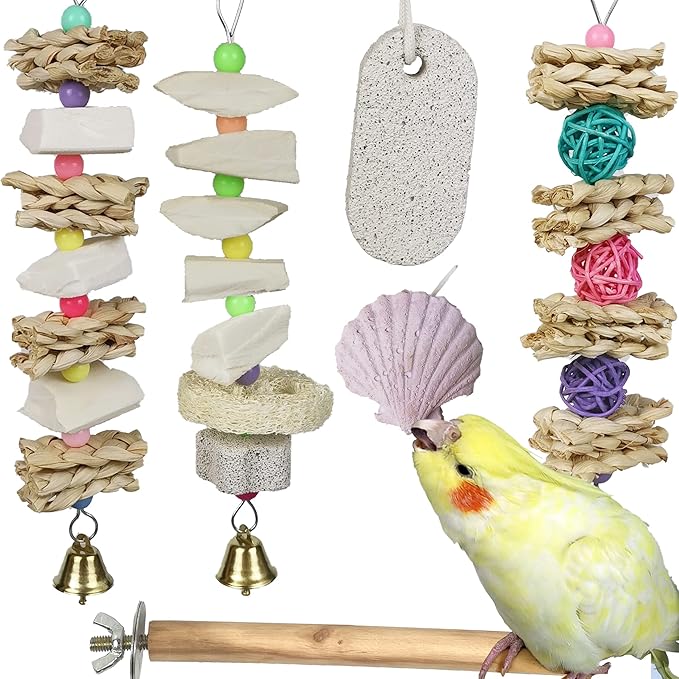
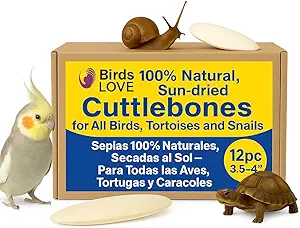
4. Cuttlebone or Mineral Block
Mineral intake is critical for parrots.
Why this product is essential:
Calcium deficiency is one of the most common nutritional problems in parrots.
Physical and behavioral benefits:
Cuttlebones and mineral blocks provide a natural source of calcium and trace minerals. Chewing also supports beak maintenance and offers a mild stress-relieving activity.
These products encourage self-regulated mineral intake, allowing parrots to consume what they need instinctively. They also help prevent overgrown beaks and reduce destructive chewing behaviors by providing an appropriate outlet.
These should always be available in the cage.
To buy this product, click here.
5. Fresh Fruits and Vegetables (Dietary Add-On)
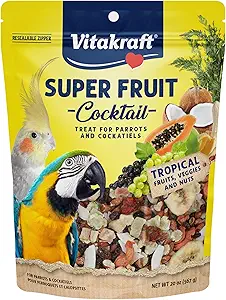
Fresh foods are vital for variety and enrichment.
Why this product is essential:
Processed foods alone cannot fully replicate the diversity of a wild diet.
Health benefits:
Fresh produce provides hydration, antioxidants, fiber, and phytonutrients that support digestion, immune health, and vibrant feather coloration.
Daily rotation of fruits and vegetables prevents nutrient gaps and food boredom. Leafy greens, orange vegetables, and berries are especially beneficial. All produce should be thoroughly washed, served fresh, and removed promptly to prevent spoilage.
Fresh food strengthens both physical health and curiosity.
To buy this product, click here.
6. Natural Calcium-Enriched Treats (Mineral Treats & Baked Blocks)
Balanced nutrition should also include enjoyable, functional treats.
Why this product is essential:
Parrots need regular calcium intake not only for bone health, but also for proper muscle function, nerve signaling, and egg production in females. While cuttlebones and mineral blocks provide passive supplementation, edible calcium-enriched treats offer a more engaging and palatable alternative.
Health and comfort benefits:
Natural mineral treats combine calcium with grains, seeds, vegetables, or herbs, making them both nutritious and rewarding. Chewing and consuming these treats supports beak wear, reduces boredom, and reinforces positive feeding behavior. Because they are eaten voluntarily, parrots often regulate their intake instinctively.
High-quality calcium treats are free from artificial dyes and excess sugars and are baked or compressed for safe consumption. They are especially useful for picky eaters who ignore traditional mineral blocks. When offered occasionally as part of a varied diet, these treats support skeletal health while also enhancing emotional comfort.
Functional treats bridge the gap between nutrition and enrichment, making dietary support both effective and enjoyable.
To buy this product, click here.
7. Protein-Rich Supplements
Protein supports growth and repair.
Why this product is essential:
During molting, breeding, or growth stages, parrots require increased protein intake.
Health benefits:
Protein-rich foods support muscle maintenance, feather development, and hormonal balance. Sprouted seeds and legumes are particularly digestible and nutrient-dense.
Protein supplements should be introduced gradually and adjusted based on life stage. Excess protein can overstimulate hormonal behavior, so careful portion control is essential.
Protein is powerful — when used with intention.
To buy this product, click here.
8. Digestive Support Supplements (Probiotics & Herbal Blends)
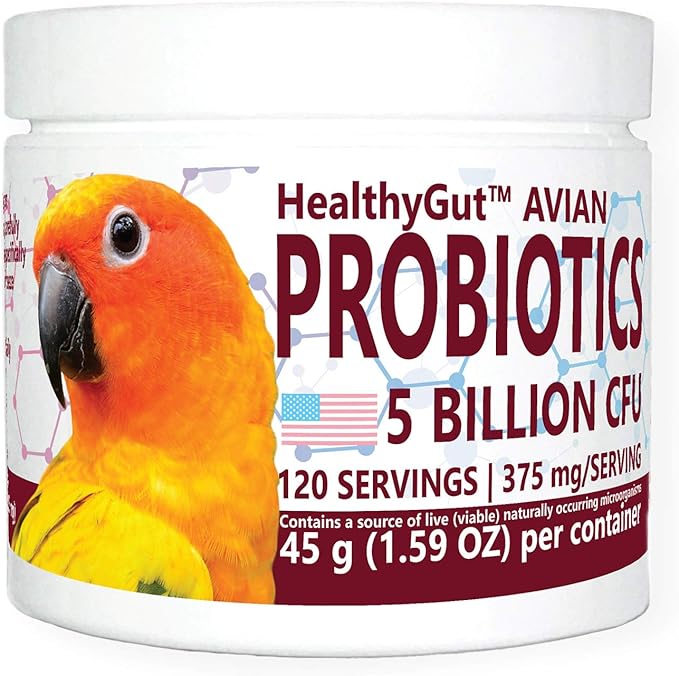
Gut health affects the entire body.
Why this product is essential:
Stress, antibiotics, or dietary changes can disrupt digestive balance.
Health and comfort benefits:
Digestive supplements help maintain healthy gut flora, improve nutrient absorption, and support immune response. A balanced digestive system contributes to stable behavior and consistent energy levels.
Probiotics are especially useful after medical treatments or environmental stress. Herbal blends may also support liver function and digestion when formulated specifically for parrots.
A healthy gut supports a calm, resilient bird.
To buy this product, click here.
Must-Have Food & Supplement Essentials for Parrots
A nutrition-focused parrot care setup should include:
- A high-quality pellet base
- Controlled seed treats
- Fresh fruits and vegetables
- Calcium and mineral sources
- Protein supplements when needed
- Foraging food options
- Digestive support as necessary
Together, these elements create a diet that supports both physical vitality and emotional well-being.
Conclusion
Parrot nutrition is not about feeding — it is about supporting life. A thoughtfully designed diet respects a parrot’s biology, intelligence, and emotional sensitivity. When nutritional needs are met consistently, parrots show brighter plumage, stronger immunity, calmer behavior, and deeperParrot nutrition is not about feeding — it is about supporting life. A thoughtfully designed diet respects a parrot’s biology, intelligence, and emotional sensitivity. When nutritional needs are met consistently, parrots show brighter plumage, stronger immunity, calmer behavior, and deeper engagement with their environment.
By investing in proper food and supplements, you are not simply filling a bowl — you are building the foundation for a longer, healthier, and more fulfilling life.
A well-nourished parrot is an active, confident, and resilient companion — and nutrition is the key to true well-being.
